What's Involved?
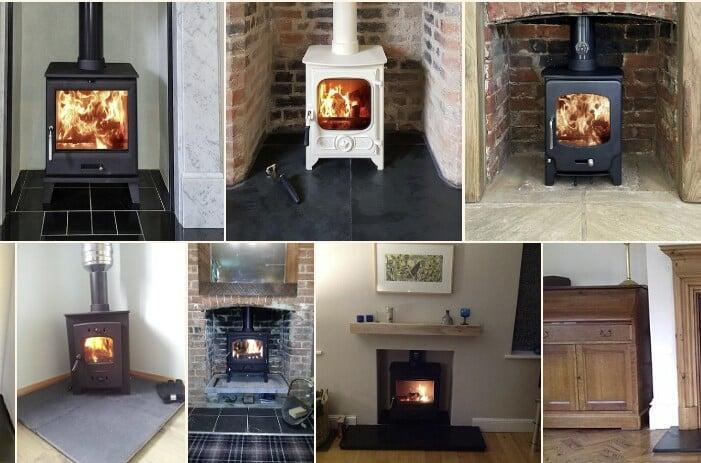
Installation involves opening up your original fireplace opening, fitting a hearth, register plate and usually connecting a liner to your new stove and of course a carbon monoxide alarm.
If your firebox has been bricked up or boarded over, or you are removing a fireplace and don't know what's behind it, then it will need to be excavated as the first part of your wood burner installation.
You will need a hearth which is the part of the fireplace underneath the stove and directly in front of it. It's purpose is to catch any hot debris that may fall out of the wood burner, thus protecting any flooring or carpet and potentially stop a house fire.
3. Finishing the chamber
You need to think about how to finish off the firebox chamber. If the brick work looks good once uncovered then it can be left for a rustic look. It could also be rendered (ready for painting), heat-proof tiles fitted, boarded with fireproof board or a 'fake' brick or slate chamber or board could be fitted.
Next install the steel liner into the chimney from the roof It is held in place by a cowl. 316/316 liner is recommended for wood burners. 904/904 liner for stoves burning coal. Why fit a flexible liner? >>
5. Close the chimney
You need a bespoke register plate to close off the bottom of your chimney (sometimes known as closure plate). Made out of UK galvanised steel and required by Building Regulations.
5. Install the logburner
Next unpack and check over the wood burner Using vitreous pipe and bends if needed, install the stove and CO alarm. Fit the thermometer and test the installation Carbon monoxide alarm (legal requirement)
Choosing a woodburner
It's important to get the right advice early on as buying the wrong stove early on, can inflate your wood burner installation and running costs later.
More help choosing a logburner >>
Don't rush - do your research!
Don't choose a wood stove purely on looks or because it's super cheap or on special offer. If an incorrect appliance is purchased, it cannot be certified as safe to use. Don't panic and do take your time to make the correct choice.
Think about what you need.
Measure your chamber
Don't buy a stove that fills your opening. Buy one at least 10cm smaller than the opening on each side. Check the manual for the correct size needed.
How Eco-friendly are you?
Different methods of heating produce different environmental impact. Look for a high efficiency rating around 80% or better , Energy label A or better and / or a Clear Skies mark of 3 or above.
What heat output do you need?
4 to 5kW is good enough for the average living room. Larger than this will mean fitting a permanently open air vent to an external wall, as required by building regulations.
Measure your room
Use a Stove Output Calculatorto work out the kilowattage (kW) that you need.
Different types of burners
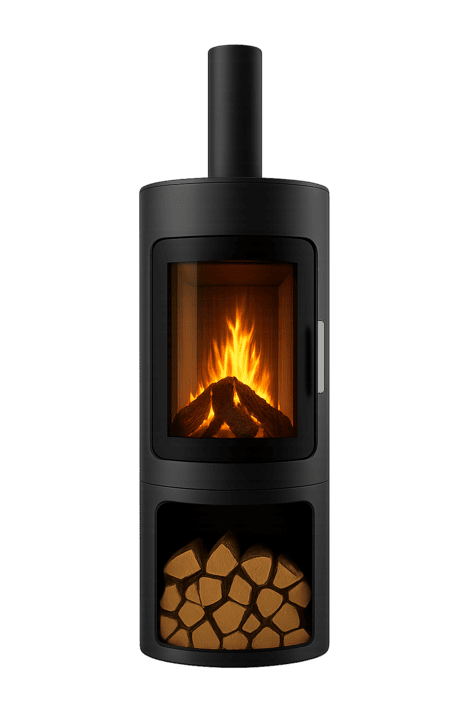
Freestanding logburners usually fit in your existing fireplace but can also be fitted with twin wall rigid pipe if you do not have a chimney.
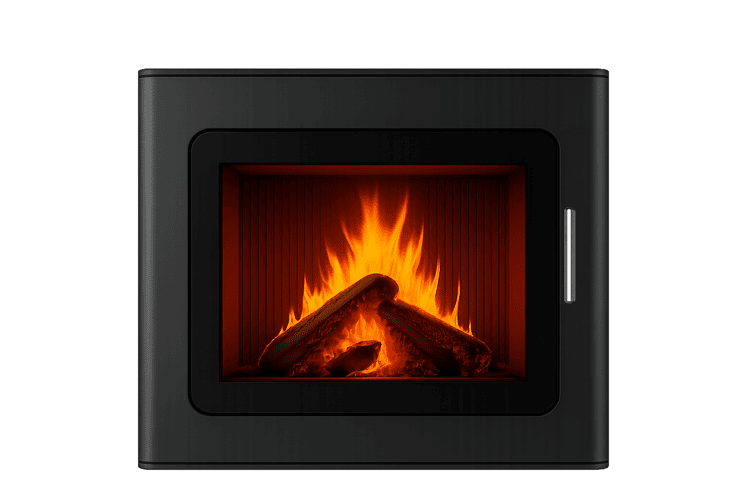
Designed to fit directly into your fireplace opening, they are recessed into the chimney breast, level with the wall. See our logburner Gallery >>
Warms two rooms with one appliance.
Multi-fuel stoves
Multi-fuel stoves can burn both wood and coal and come all shapes and sizes.
Pellet stoves
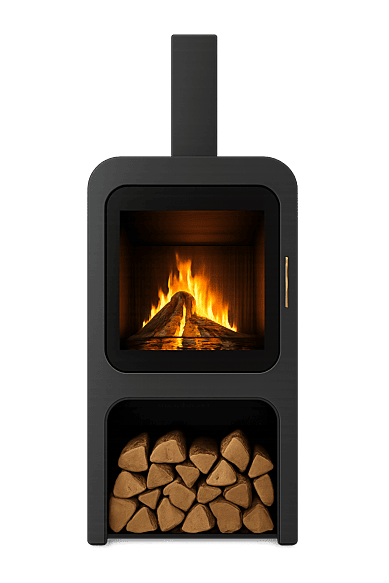
Burns wooden or bio-mass pellets fed into the stove via a hopper. Highly efficient and automated thermostatic controls. Easier to use but more functional than aesthetic.
Bio-ethanol
Bio-ethanol fires do not need a flue fitting and are great for topping up the heat in a small room. They have a real flame and the liquid fuel is made from recycled products.
Gas / Electric Logburners
Woodburner style gas fires and electric fires are less messy than their real counterparts but the flame is not the same.
Greener Choices
Because of the Clean Air Act of 2019 (which is constantly under revision), DEFRA and the government believe that the 'greenest' stoves are the ones that are Eco-design ready with A or A+ energy labels. These stoves are starting to be labelled as 3 and above on the CleanSkies scale. Read More >>
HETAS Cleaner Choice
The HETAS Cleaner Choice symbol indicates a clean burning appliance for your wood stove or multifuel installation.
Clear Skies Mark
Eco-design Ready
The a log burner has met the 5 regulation requirements for emissions and efficiency.
Eco-compliant explained >>
How far has it travelled?
You can also consider how far the stove has travelled or how large is its carbon footprint. There are no current bodies looking into this so we believe that the 'greenest' options here are stoves made in the UK. 100% steel stoves that are made in the UK have the lowest footprint but most are made of a mixture of steel and cast iron. Compare logburner manufacturers.
Clean Air Act 2019
The Clean Air Strategy attempts to protect our health ; protect our environment and reduce emissions from transport, homes, farming and industry.