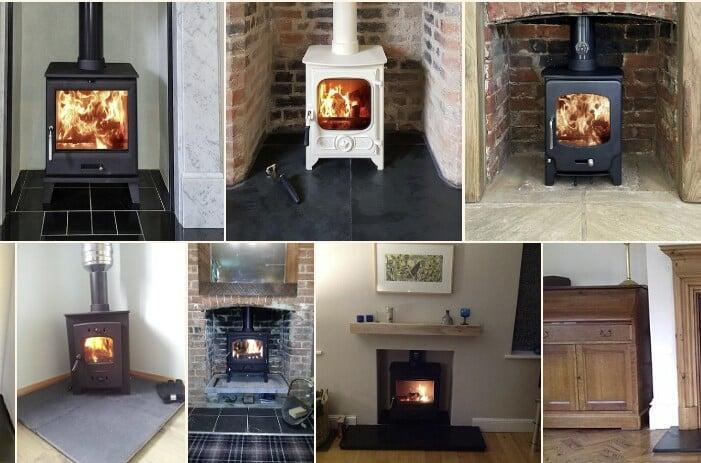
Tips for Log Burner Users

By GTD Office

Regular Maintenance is key

These days, more than ever before, with the constant rise of the cost of living; we need to be careful with money but we also need to keep warm.  Your stove burns less wood and produces less harmful gases when it's properly looked after, so keep it in tip-top condition.
No-one enjoys breathing in dirty air so make sure the fuel you use is of good quality also. Look for the Woodsure label on your fuel.

As the price of energy increases, a log burner will save you money on gas and electric bills. Should there be a power cut, you will still have a source of heat and can also use the top of your burner for cooking. Log burners need a little bit of care and attention every year however, to keep them running optimally. 

On this page you will find ways of saving money and preparing safely for Winter.

Book a Chimney Sweep

Best to book in April to July, after you stop using your fire for the summer months. Helps stop soot in the chimney mixing with the water in the atmosphere and causing acidic corrosion to your flue or chimney and saves the stress of finding a chimney sweep in the run up to Christmas. Sweeps are quieter in the summer months and often will offer a discount to attract your business.

Check CO Alarm

The fire service recommend that you get your chimney swept, at least, once per year as this helps prevent dangerous chimney fires. The sweep will check your CO Alarm - that it is correctly positioned; conforms to the British Standard and that it is still working.


Check your Log Burner

Inside - Check the grate and fire bricks that line the inside of the stove are not in need of repair, cracks of over 2mm wide indicate that the fire bricks may need changing. 

Outside - Check the glass and rope around the door seal. If they are damaged; extra air will enter and unnecessary fuel will be burnt. Clean your glass with industry standard cleaning fluid but use sparingly. Take a good look at the metal box of your stove, make sure there is no rust or corrosion and that you can only see the flames through the window and not through any gaps or holes. Stop using immediately if this is the case.

Flue pipe - Check the pipe coming out of the stove still has a good seal so that you are sure it hasn't moved or is coming loose. Check that it is not rusty, that there is no creosote or dried tar around the base of the pipe.


Check Your Chimney

Take a look outside at the top of your chimney or flue. If you do not have a cowl on top of the pot or pipe system then consider having one fitted.

 Cowls stop birds from nesting in the flue and also stop rain getting in.  Water which creates creosote when mixed with soot, and sets hard in your flue and is extremely difficult to remove.

Creosote can block your cowl if your wood has a high moisture content and releases water whilst burning. [more info on cowls] 

Check Your Accessories

Check Logs - Use a moisture meter to check that your wood is seasoned properly. Unseasoned wood creates lots of dense smoke which causes air pollution. It can fill your chimney or flue with a sticky tar that sets like glass and which could start a chimney fire.
Check Smoke AlarmYou should have two types of alarms in your property. Check them both regularly and remember to replace the batteries when necessary. To book a free home fire safety check with the Fire Service visit www.fireservice.co.uk.
Check fire-proof gloves - Essential when using your log burner, if they are damaged or wearing thin, buy more. Most new stoves come with a glove.


Stock up on fuel & kindling

Autumn is a great time for collecting dry twigs that have fallen off the trees. These make excellent and free kindling so stock up early. Also keep a store of newspapers and old bills, so that you can burn them to start off your fire.

Make kindling logs out of cardboard packaging and string. The centre cylinder of bamboo toilet rolls burn brilliantly. Bits of lint from the tumble dryer are very useful for starting the fire so store them up for the winter.

Logs also have been known to rise in price after the burning season starts, because of high demand, so fill up your log store early. It's important to burn seasoned wood only, as wood that has not dried out properly will coat your chimney lining with flammable residue that can cause a chimney fire.

Consider Buying...

Read your stove manual

It's easy to forget how your stove works over the summer break from using it. So remind yourself how to get the best out of your stove. You need to get your logburner burning really hot before reducing the fuel intake. This is crucial to efficient burning as the logs need a hot bed of ashes to keep igniting fresh logs and this can only be done by burning 5 or 6 logs to start with to get it prepared. 

Once burning in the 'Optimal Zone' you can add less fuel as your stove will then be burning efficiently. If you keep your fire small, you will find that your wood is burning too quickly and may not give out as much heat as expected, as it is escaping up the chimney. 

Your manual will explain how best to light, re-fill and how much fuelyour stove is designed to burn. Most new logburners have manuals that can be downloaded from the internet.

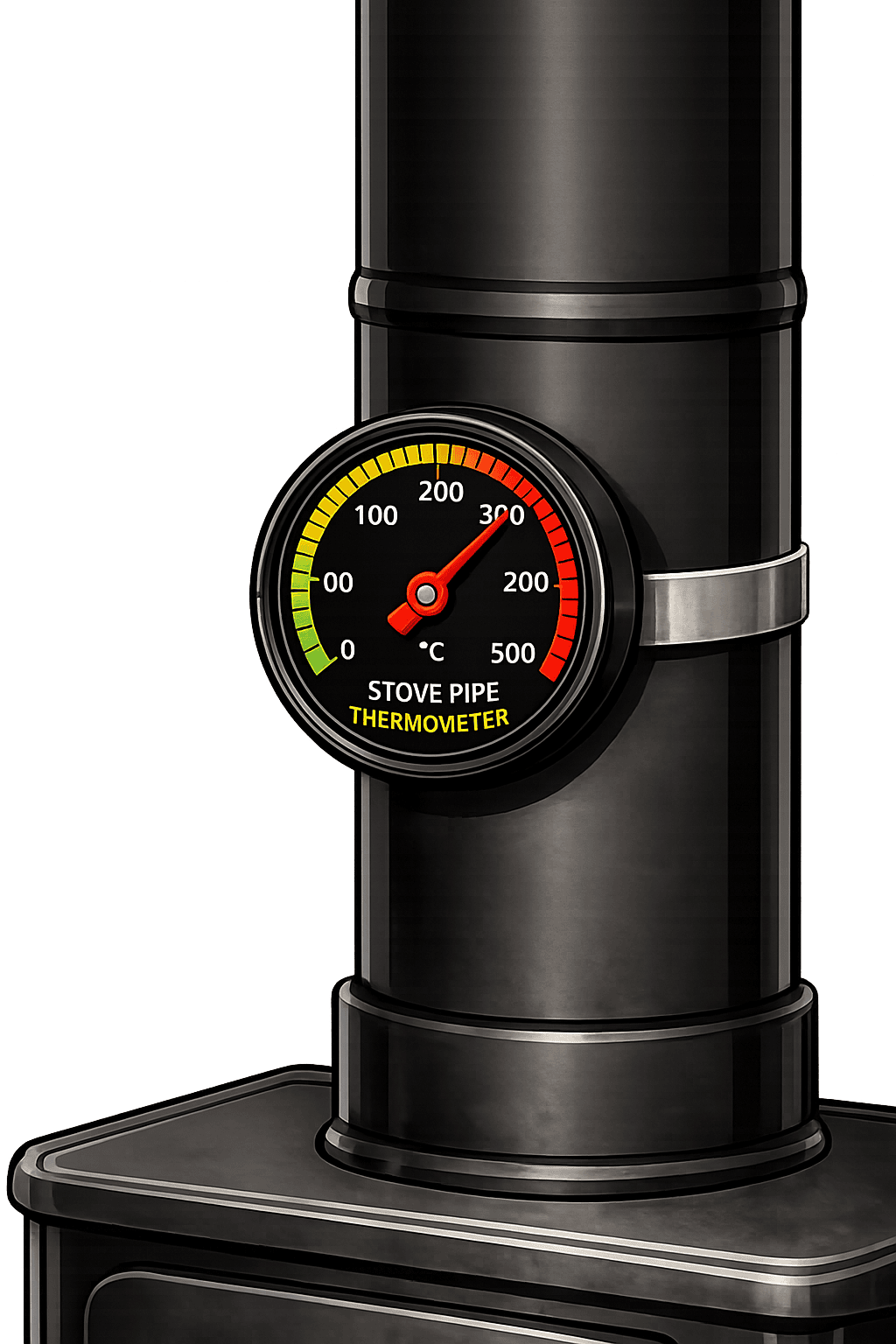
a stove pipe thermometer tells you if the fire is hot enough

Stove Pipe Thermometer

These are an excellent visual guide to help you keep your fire burning at its most efficient temperature. 

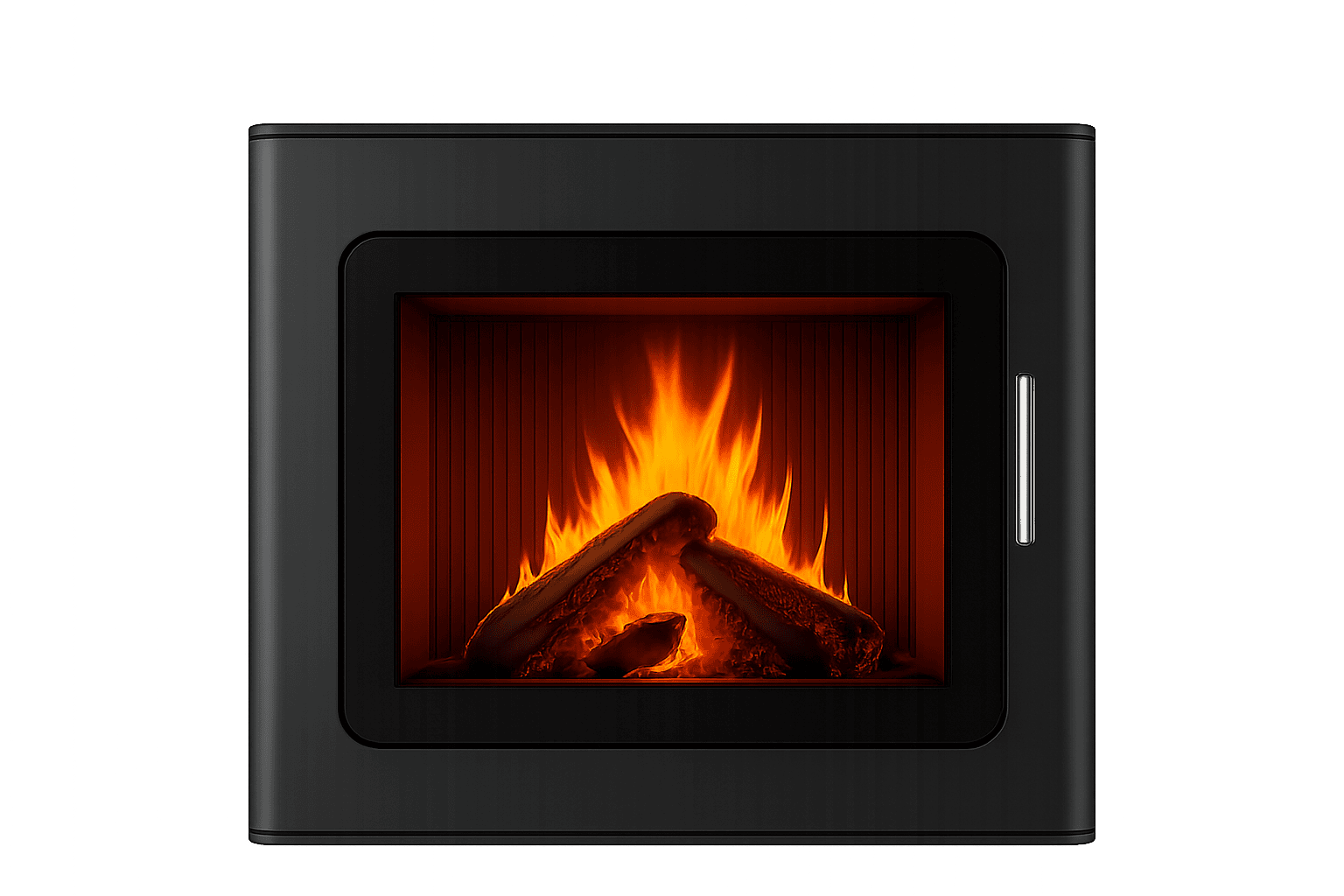
Modern stoves are cleaner burning than older ones

Modern Stove

If yours is in need of a lot of refurbishment then check the technical specifications for it. If it doesn't meet current emission ratings then won't be able to reinstall it.

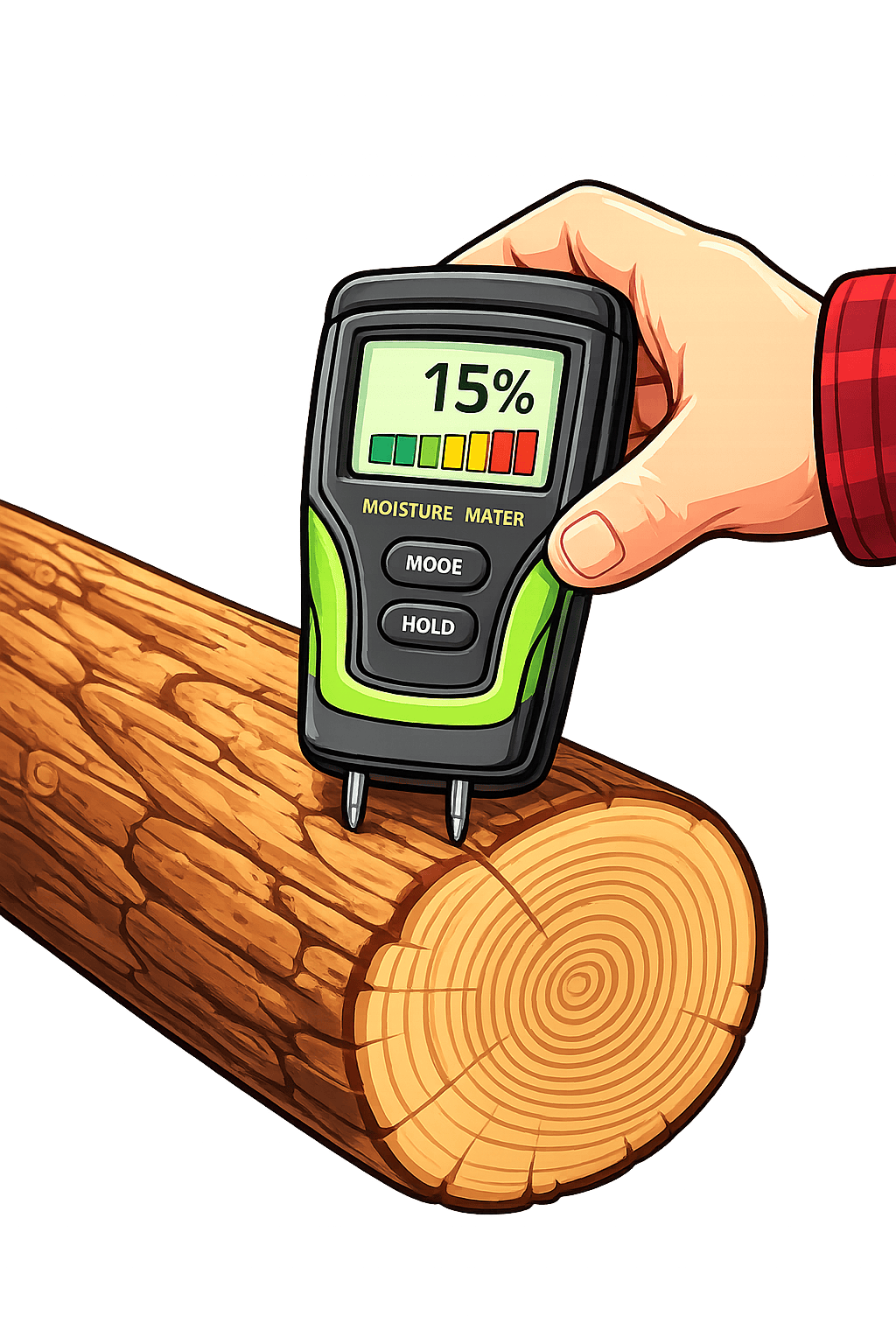
Use a moisture meter to test your wood is ready to burn

Moisture Meter

Use to check whether the wood that you want to burn is dry enough. Wet and unseasoned wood will produce a lot of smoke and air pollution and you could incur a fine in some counties.